
South Carolina is now one of more than a dozen US states that have passed laws protecting cryptocurrency rights — and it did so with almost no pushback.
Governor Henry McMaster signed Senate Bill 163 on May 19, adding it to a growing stack of state-level digital asset laws that have quietly moved through Republican-controlled legislatures across the country.
A Near-Unanimous Vote That Signals Shifting Ground
The bill cleared the South Carolina Senate 38-1, a margin that says more than the law itself. Filed in January 2025, it spent 17 months working through the legislative process — passing the Senate in May of that year, getting reconciled with House amendments in April 2026, and landing on the governor’s desk this month.
Senators Daniel Verdin and Matthew Leber sponsored the bill. It now adds a new Chapter 47 to Title 34 of the South Carolina Code of Laws, laying out one of the more detailed state-level crypto frameworks in the country.
The law prohibits state government agencies from accepting or requiring payments in a central bank digital currency. It also bars those agencies from joining any Federal Reserve CBDC pilot or testing program.
But the definition matters: the bill describes a CBDC as a digital currency issued directly by the US Federal Reserve or a federal agency. Privately issued stablecoins backed by legal tender or government treasuries — such as USDC — fall outside that definition and remain permitted under state law.
What The Law Actually Covers
Beyond the CBDC ban, S.163 covers a wide range of crypto activity. Individuals and businesses are protected from being blocked from accepting digital assets as payment for legal goods and services.
Self-hosted and hardware wallets are formally recognized, allowing users to hold their own assets without government interference. State and local governments are also barred from taxing digital asset payments at higher rates than other payment types.
The law’s definition of digital assets is broad, covering cryptocurrencies, stablecoins, fungible tokens, non-fungible tokens, and other digital-only assets that carry economic, proprietary, or access rights.
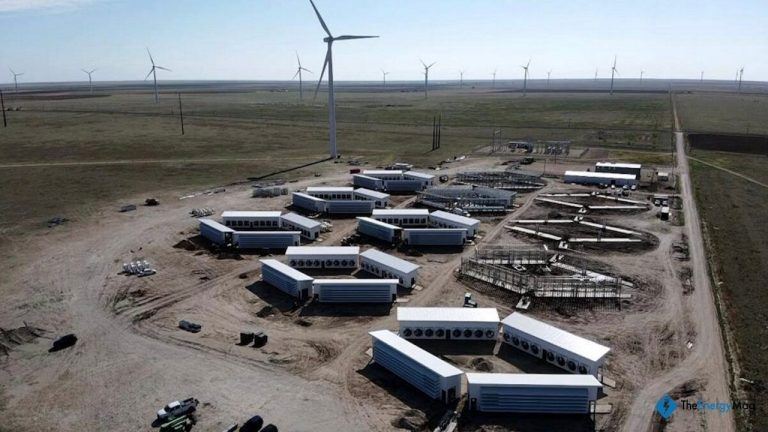
Crypto mining operations also get legal cover. Local governments cannot impose unfair zoning rules, excessive noise restrictions, or regulations that single out mining businesses.
Node operations, blockchain software development, staking services, and mining activities are exempt from money transmitter license requirements under certain conditions.
Staking-as-a-service and mining-as-a-service providers will not automatically be classified as securities issuers under state law.
At the same time, the South Carolina Attorney General retains authority to prosecute fraud involving anyone who falsely claims to offer those services — a consumer protection measure built directly into the law.
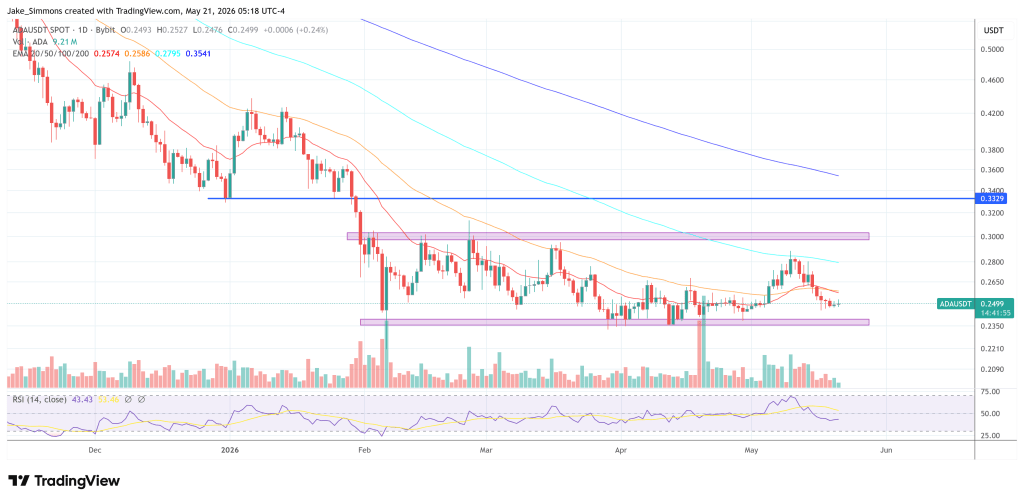
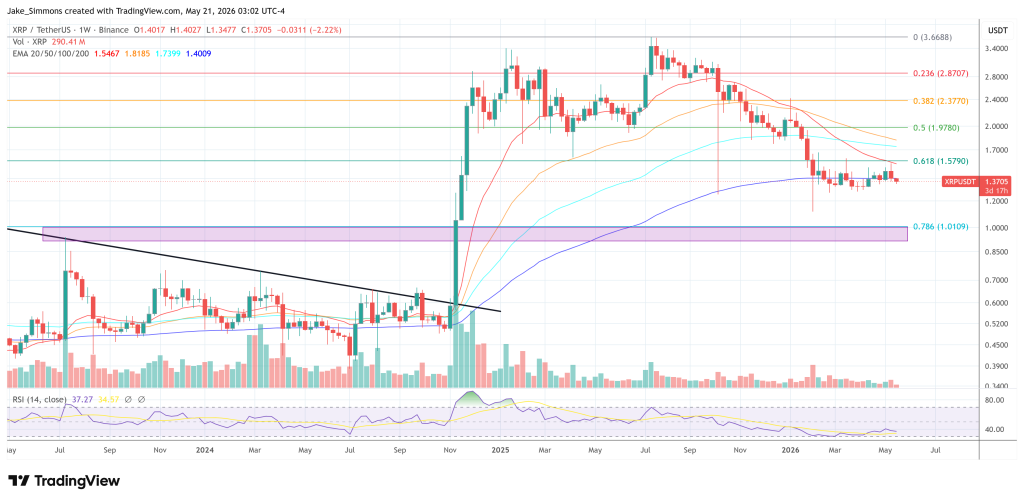
Featured image from Pexels, chart from TradingView

You can get bonuses upto $100 FREE BONUS when you:
💰 Install these recommended apps:
💲 SocialGood - 100% Crypto Back on Everyday Shopping
💲 xPortal - The DeFi For The Next Billion
💲 CryptoTab Browser - Lightweight, fast, and ready to mine!
💰 Register on these recommended exchanges:
🟡 Binance🟡 Bitfinex🟡 Bitmart🟡 Bittrex🟡 Bitget
🟡 CoinEx🟡 Crypto.com🟡 Gate.io🟡 Huobi🟡 Kucoin.












Comments